
Historic Formula 1 Circuits: The Tracks That Made the Sport
Some circuits are as famous as the drivers who raced on them. Their corners have names that fans recognise instantly, and their history reaches back to the first years of the championship. This page introduces the most historic Formula 1 circuits and what makes each of them special.
Silverstone, United Kingdom
A former wartime airfield, Silverstone hosted the very first round of the Formula 1 World Championship on 13 May 1950. The fast, flowing layout with corners such as Copse, Maggotts and Becketts is still one of the most demanding tests of a car's aerodynamics. You can read more about that first race in our history of Formula 1.
Monaco
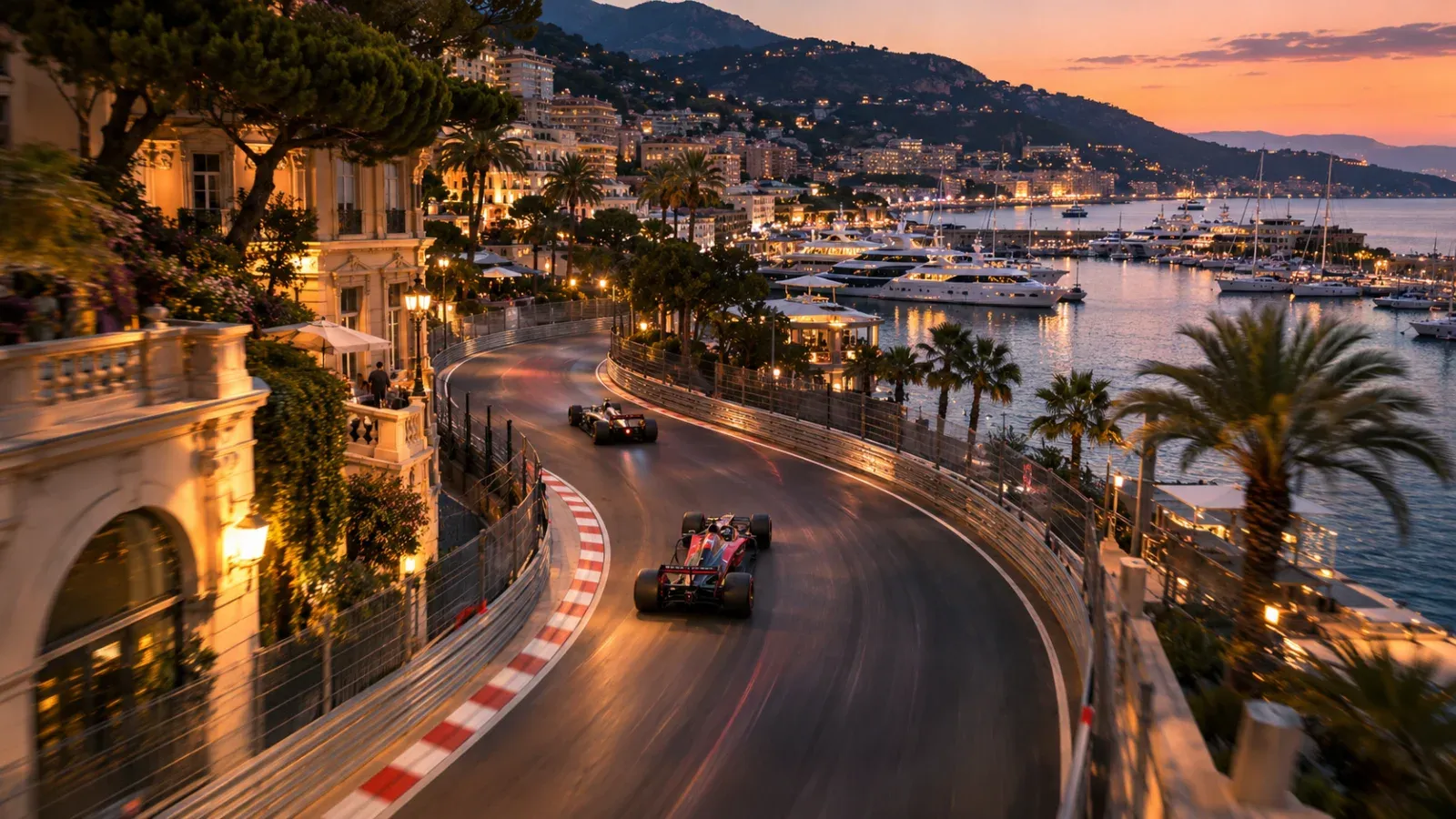
The Monaco Grand Prix has been part of the championship almost every year since 1955, after first appearing in 1950. The narrow streets, the tunnel and the harbour make it the slowest and most glamorous race of the season. Overtaking is almost impossible, so qualifying is crucial. Winning in Monaco remains one of the most prestigious achievements in motorsport.
Monza, Italy
Monza, the "Temple of Speed", has hosted more world championship Grands Prix than any other circuit. Its long straights and low-downforce set-ups produce some of the highest speeds of the year. The old banked oval, no longer used, still stands in the park as a reminder of earlier eras.
Spa-Francorchamps, Belgium
Spa is a favourite of drivers and fans alike. The original circuit was a 14-kilometre road course through the Ardennes; today's layout still includes the legendary Eau Rouge and Raidillon climb. The unpredictable weather, with rain on one part of the track and sun on another, adds to the drama.
Nürburgring Nordschleife, Germany
The "Green Hell" was more than 20 kilometres long and full of jumps and blind corners. It hosted the German Grand Prix for decades until Niki Lauda's crash in 1976 showed it could no longer be made safe enough for Formula 1. The shorter modern Nürburgring circuit was built next to it. Lauda's story is on our page about Formula 1 legends.
Suzuka, Japan
Suzuka is the only figure-of-eight circuit on the calendar. Its fast "S" curves and the 130R corner make it a driver's track. It was also the setting for several title deciders, including the famous clashes between Prost and Senna, described in our guide to Formula 1 rivalries.
Interlagos, Brazil
Officially named after José Carlos Pace, Interlagos in São Paulo runs anti-clockwise around a natural bowl. It has produced many dramatic season finales and memorable wet races.
Zandvoort, the Netherlands
Zandvoort, in the dunes along the North Sea, hosted the Dutch Grand Prix from 1952 until 1985. After a long absence, the race returned in 2021 with a modernised layout and steeply banked corners, driven by enormous interest in Max Verstappen.
Lost circuits
Many historic venues are no longer used for Formula 1, such as Reims, Brands Hatch, Kyalami, Watkins Glen and the original Österreichring. Changing safety standards, as described on our page about F1 technology and safety, were often the reason.
Frequently asked questions
Which circuit has hosted the most Formula 1 races?
Monza in Italy has hosted more world championship Grands Prix than any other circuit.
Where was the first Formula 1 race held?
At Silverstone in the United Kingdom, on 13 May 1950.
Why is Monaco so special?
It combines a narrow street circuit with a rich history and a unique setting. It is the slowest race of the season, but one of the hardest to win.
Back to home