
Formula 1 Legends: The Greatest Drivers in History
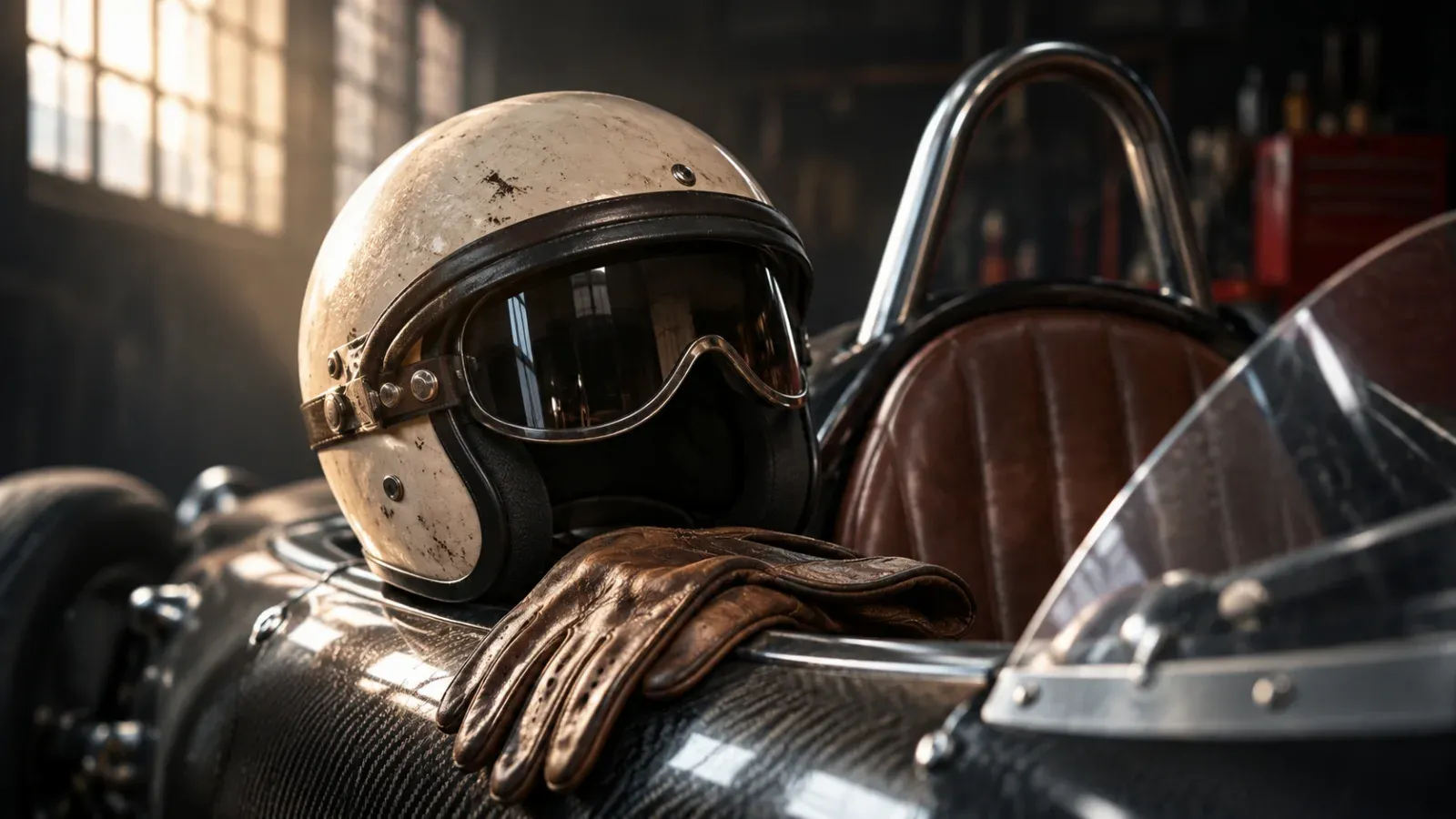
Every era of Formula 1 has its defining drivers. Some won championship after championship, others changed the sport with their speed, courage or influence. This page introduces the Formula 1 legends whose names still come up whenever fans debate the greatest of all time.
Juan Manuel Fangio
The Argentine was the first great champion of the sport. Fangio won five world titles in the 1950s with Alfa Romeo, Maserati, Mercedes and Ferrari. His record of five championships stood for 46 years. His win at the 1957 German Grand Prix at the Nürburgring, where he broke the lap record again and again to catch the leaders, is still seen as one of the greatest drives ever.
Stirling Moss
Moss never won the championship, finishing runner-up four times in a row, but he won 16 Grands Prix and is widely regarded as one of the best drivers never to take the title. His sportsmanship became part of his legend.
Jim Clark
The Scot won the championship in 1963 and 1965 with Lotus and dominated races with a smooth, effortless style. He also won the Indianapolis 500 in 1965. Clark died in a Formula 2 race at Hockenheim in 1968, aged 32.
Jackie Stewart
Stewart won three titles between 1969 and 1973. Just as important was his campaign for better safety: proper medical facilities, barriers and run-off areas. Many of the safety standards described on our page about F1 technology and safety started with him.
Niki Lauda
The Austrian won the championship in 1975, then suffered severe burns at the Nürburgring in 1976. He returned to racing just six weeks later and lost the title by one point to James Hunt, a season covered on our page about Formula 1 rivalries. Lauda won further titles in 1977 and 1984.
Alain Prost
"The Professor" won four championships between 1985 and 1993 with a calm, calculating approach. His rivalry with Ayrton Senna at McLaren is one of the most famous in sport.
Ayrton Senna
The Brazilian won three titles, in 1988, 1990 and 1991. Senna was famous for his raw speed in qualifying and in the wet. His win in the rain at Donington Park in 1993 is often cited as one of the finest opening laps in history. He died at Imola in 1994, which led to major safety changes.
Michael Schumacher
Schumacher won two titles with Benetton and five in a row with Ferrari from 2000 to 2004. His seven championships and 91 race wins set records that stood for years. He helped turn Ferrari back into a winning team.
Lewis Hamilton
Hamilton won his first title with McLaren in 2008 and six more with Mercedes, equalling Schumacher's seven championships. He holds the records for most race wins and most pole positions.
Max Verstappen
The Dutch driver became the youngest Grand Prix winner in 2016, at 18. He won four consecutive championships from 2021 to 2024 with Red Bull Racing, including a record 19 race wins in 2023.
Other names on every list
Alberto Ascari, Graham Hill, Emerson Fittipaldi, Nelson Piquet, Nigel Mansell, Mika Häkkinen, Fernando Alonso and Sebastian Vettel all won multiple championships or left a lasting mark. Discover where they raced in our guide to historic Formula 1 circuits, or read the history of Formula 1 era by era.
Frequently asked questions
Who is the greatest Formula 1 driver of all time?
There is no single answer. Fangio, Senna, Schumacher and Hamilton are mentioned most often, but comparing drivers from different eras is difficult because cars, safety and competition changed so much.
Which drivers have won seven world championships?
Michael Schumacher and Lewis Hamilton, each with seven drivers' titles.
Who was the youngest Formula 1 race winner?
Max Verstappen, who won the 2016 Spanish Grand Prix at the age of 18.
Back to home