
A Brief History of Formula 1: From 1950 to Today
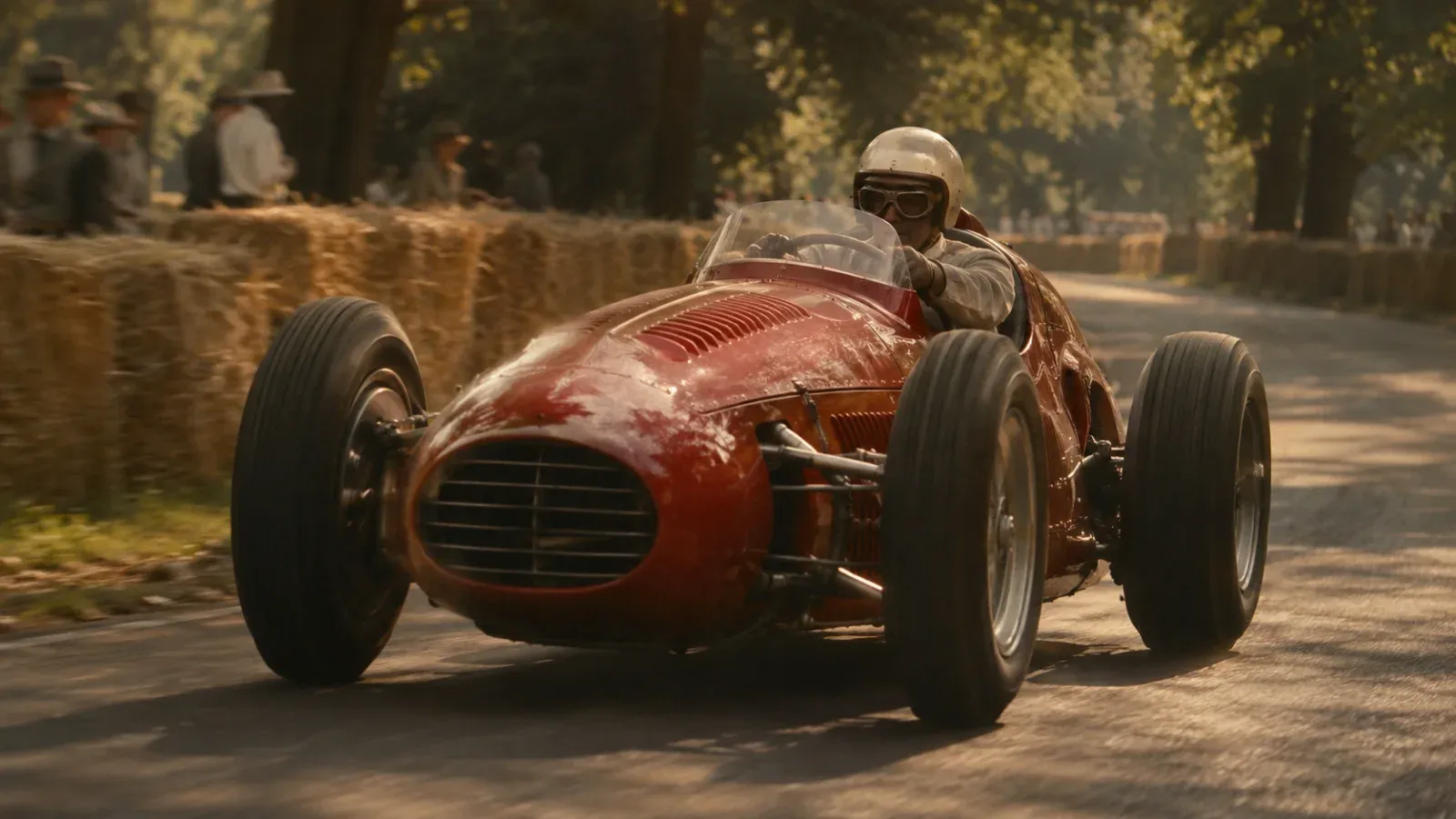
Formula 1 has been the pinnacle of single-seater motor racing for more than seventy years. What started as a championship for a handful of European manufacturers is now a global sport with races on five continents. This page walks you through the history of Formula 1, era by era, and explains the turning points that shaped the sport we watch today.
Before the championship: the Grand Prix years
Grand Prix racing existed long before Formula 1. The first race to carry the name was the French Grand Prix of 1906. In the 1930s, state-backed German teams dominated with powerful, streamlined cars. After the Second World War, the sport's governing body defined a new set of rules: "Formula A", soon known as Formula One.
1950s: the first world championship
The first World Drivers' Championship race took place at Silverstone on 13 May 1950. Giuseppe Farina won the race and the first title for Alfa Romeo. The decade belonged to Juan Manuel Fangio, who won five championships with four different teams. Cars were front-engined, drivers raced without seat belts and safety was barely considered. A separate championship for constructors followed in 1958.
1960s: the rear-engine revolution
At the end of the 1950s, Cooper proved that putting the engine behind the driver made a car lighter and more agile. Within a few seasons every team followed. Lotus then introduced the monocoque chassis in 1962, a stiffer and safer structure. British teams and drivers such as Jim Clark, Graham Hill and Jackie Stewart became the stars of the decade. Read more about them on our page about Formula 1 legends.
1970s: wings, sponsors and ground effect
From 1968, wings started to appear, using air pressure to push the car onto the track. In the same year, commercial sponsorship replaced national racing colours. In the late 1970s, Lotus discovered ground effect: shaped underfloors that sucked the car to the road. Cars became much faster in corners, and the drivers' fight for better safety, led by Jackie Stewart, began to change the sport.
1980s: the turbo era
Renault brought turbocharged engines to Formula 1 in 1977. By the mid-1980s turbo engines produced well over 1,000 horsepower in qualifying trim. The decade also saw the arrival of carbon fibre chassis and one of the sport's most famous rivalries, between Alain Prost and Ayrton Senna. Turbo engines were banned from 1989.
1990s: electronics and a turning point in safety
Active suspension, traction control and semi-automatic gearboxes made cars more advanced than ever, until many driver aids were banned for 1994. That same year, the deaths of Roland Ratzenberger and Ayrton Senna at Imola shocked the sport and led to a wave of safety improvements. You can read how cars and safety evolved in our overview of F1 technology and safety.
2000s: the Schumacher years
Michael Schumacher and Ferrari won five consecutive drivers' titles from 2000 to 2004, bringing Schumacher's total to a record seven. The decade ended with new teams, a budget-conscious approach and a brief return of slick tyres in 2009.
2010s: the hybrid era
From 2014, Formula 1 switched to 1.6-litre turbocharged V6 hybrid power units, combining a combustion engine with powerful energy-recovery systems. Mercedes dominated the period, with Lewis Hamilton equalling Schumacher's seven titles. In 2018 the halo, a protective frame above the cockpit, became mandatory.
2020s: new rules and new champions
In 2022, ground-effect aerodynamics returned to help cars follow each other more closely. Max Verstappen won four consecutive championships from 2021 to 2024. For 2026, Formula 1 introduced a new generation of cars and power units with a much larger share of electric power and fully sustainable fuel. The sport also races on more historic and modern circuits than ever.
Frequently asked questions
When was the first Formula 1 race?
The first round of the Formula 1 World Championship was held at Silverstone, United Kingdom, on 13 May 1950.
Who has won the most Formula 1 championships?
Michael Schumacher and Lewis Hamilton share the record with seven world drivers' titles each.
Why is it called Formula 1?
"Formula" refers to the set of technical rules that all cars must follow. Formula One was the top category of those rules, above lower formulas.
Back to home